
This is the twenty-first article of "Tea Talk on Paper".
I have been making tea for 9 years. From not being able to distinguish raw and ripe tea at the beginning, to now going up the mountains to make tea myself, the most frequently asked questions are: What is good tea? What tea has the best value? Is this tea good? I spent tens of thousands on tea, can you take a look? ... Similar questions are even more common on Baidu, WeChat, and Toutiao.
Good tea
Actually, they are all asking the same question, which is the topic I want to discuss today - What is good tea?
Is there a tea that is universally recognized as good?
A thousand tea drinkers have a thousand Hamlets. Due to differences in lifestyle, taste, work style, and purpose, the understanding of good tea is definitely different. A truck driver needs a strong cup of tea; the beauty sitting by the café window may prefer milk tea; the IT guy in the office likes barley tea; the young mother at home likes black tea; the elderly like coarse aged yellow leaves because they are diuretic; bosses with private offices like to brew ancient tree raw tea... Of course, these are just examples, please do not take them literally.
Let's look at tea itself; there are even more varieties. Wuyi rock tea has numerous varieties, with extremely rich variety resources. Historical records mention over a thousand varieties, and the Wuyi Tea Industry Record lists as many as 264 named varieties from Huiyuan Rock alone. Yunnan Pu'er tea has the concept of mountain origins; there are no less than a hundred famous ones, and there must be tens of thousands of unknown tea mountains (villages). With so many varieties and mountains, how can one distinguish them all?
Consumers have different preferences, and there are many tea regions and types. To clarify the concept of good tea, it is unlikely to start from specific teas. A universally recognized good tea does not exist. You say Jin Jun Mei is good, but the guy next door says he never drinks black tea, only Pu'er. You say Lao Banzhang is good, but a bunch of people say they only drink Bingdao. You say Bingdao is good, but old tea connoisseurs say it's too mild and they prefer strong and thick flavors.
It is impossible for one tea to be liked by all tea drinkers.
So what is good tea? An endless discussion won't work. Don't worry, let's chat while drinking tea.
Tea drinkers can be roughly divided into several types.
- Drink it as a beverage.
Tea is the world's number one beverage, with the broadest base and longest history, unmatched by any other drink. With a wide audience, many tea drinkers just casually drink it without much fuss. As long as it tastes good, quenches thirst, and makes the body comfortable, that's enough. These people may also drink coffee, cola, or juice; tea is not much more important than these. For them, tea is just a beverage, more flavorful than water, similar to other drinks, all drinkable. Such consumers may continue drinking a tea they approve of. Brand teas often become the first choice for these people due to their popularity, easier selection, and psychological safety. Since this group is the largest, tea consumption is very high. This is why many in the tea industry say that some brands' sales figures are fake; they don't see many people drinking it, so how did they sell billions? Where did it go? Most of it is here.
- For image, business, or showing off.
This group is also large. In Guangzhou, Zhongshan, as long as there is an office, you can find tea tables and tea trays. In many homes, most also have them. Do they all drink tea and like tea? Not necessarily. I have come across many who drink tea because people around them drink, or for office reception, or the boss likes it and they learn to drink. For various reasons, they all drink tea. These people also like to talk about tea, like to talk and listen to tea stories. Tea unintentionally becomes part of their lives. Their per capita tea consumption is even higher. They chat over tea, do business over tea, and give tea as gifts. They buy some well-known brand teas and also like niche teas. The tea doesn't have to be very good, but it must have a story or background. This is the main battlefield for many high-end, famous, but average-quality teas. Concepts like Bingdao, Banzhang, and ancient trees in Pu'er sell best.
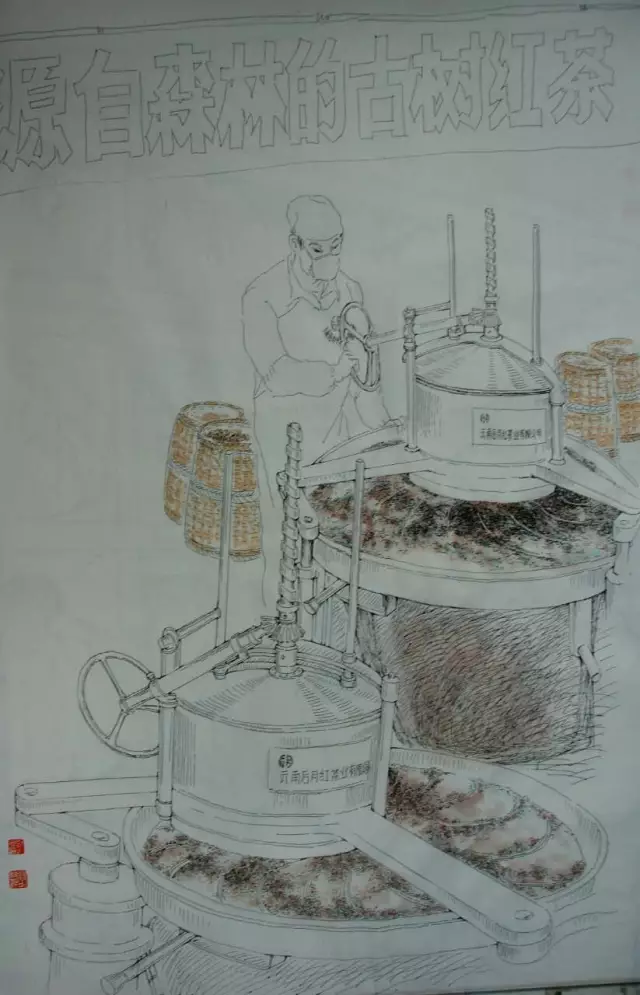
Rolling
- Tea enthusiasts.
In a vast country like China with over a billion people, the number of tea enthusiasts is also very large. According to data from the China Tea Marketing Association this year, 600 million people drink tea, and 40 million drink Pu'er. Among them, tea enthusiasts must account for a few percent, and the number is astonishing. Tea lovers generally have these characteristics: "read tea books, visit tea exhibitions, attend tea gatherings, follow tea media such as WeChat official accounts, Toutiao accounts, Weibo, participate in tea forums, follow masters and other tea celebrities, like to post or share tea articles on social media, like to brew a cup of tea when chatting with people, have explored all tea shops in the area, like to wear Chinese-style clothing such as tea robes, often buy tea, buy tea pets, have one or even multiple sets of tea ceremony utensils, participate in tea training lectures." If you have more than five of the above characteristics, congratulations, you have a seemingly elegant hobby: tea.
Tea enthusiasts like to do some research first, communicate with others, learn online, taste, apply for samples or buy samples, and finally buy tea. These people buy large quantities of tea, and many like to share their tea. They also like to give tea as gifts when visiting relatives. They consume a lot of tea and are the main user group for niche brands and mid-to-high-end teas such as ancient tree tea.
- Super tea fanatics.
They have gone beyond the category of tea enthusiasts, or are the ultimate among tea lovers. In addition to some characteristics of enthusiasts, they may have the following: "tea is the main way to quench thirst, brew tea when idle, like to participate in tea competitions even flying to them, like to talk about tea, go to mountains to find tea, go to mountains to make tea, price is not important as long as the tea is good, have professional tea storage space, persuade others to drink tea, have dedicated water for brewing tea, dedicated tea ware, more than five Yixing clay pots, discuss tea processing techniques, teach others to make tea, and when drinking tea, they must talk about tea qi and body sensation." Tea fanatics do not like to drink well-known brand teas, or if they do, they only drink specific batches or types from famous brands with a story. They like to go deep; as long as the tea is good, they are willing to pay. This group likes to chase mountain origins and masters, and are willing to pay. They are the main contributors to the high prices of ancient tree tea.
- Tea industry practitioners.
This is easier to understand, like me, who both makes and sells tea. According to the China Tea Marketing Association, there are over two million tea shops nationwide, and the number of practitioners is incalculable. Many of them sell brand teas. A considerable number of these shops also have Taobao stores, and many do WeChat business, selling tea on their Moments.
There are also some tea opinion leaders who use their superior tea tasting, tea talking, or tea brewing skills to sell tea, using tea to support tea. Many cities have such opinion leaders, and some sell very large quantities, far exceeding ordinary tea shops. These people choose tea based on two dimensions: easy to sell and good to drink. The lower-level ones only care about selling well; the higher-level ones first check if it tastes good, then whether it can sell well. If both are satisfied, that's the best.
I summarize that tea drinkers are roughly these five types. Which one are you?
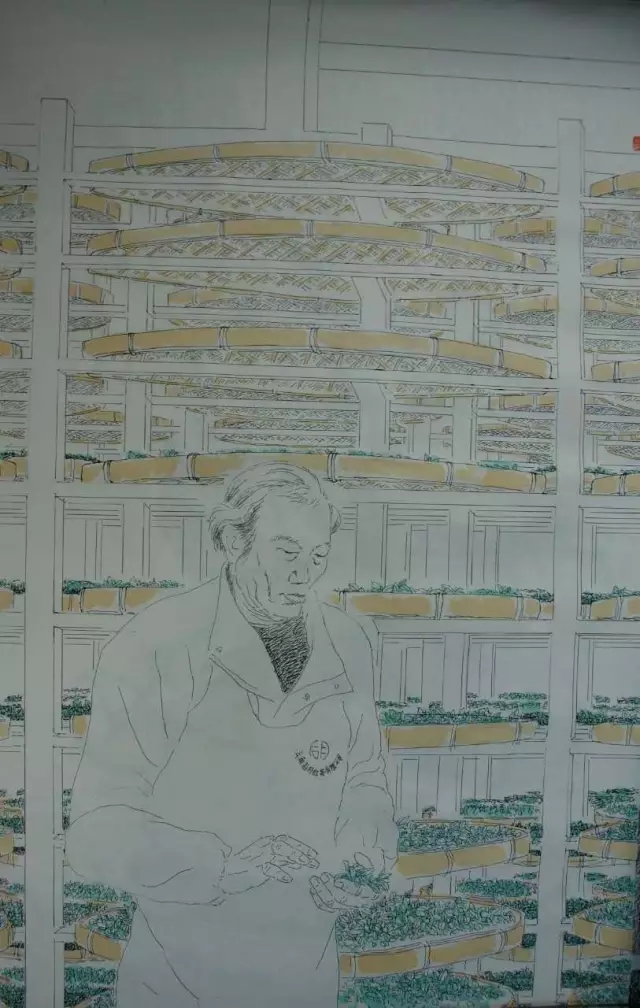
Fresh leaves cooling
No matter which type, you can always find a tea you like. Although tea drinkers' preferences are diverse, they can always find one or more teas they like. Of course, this preference may change over time, with knowledge, income, and social circle, but within a period, it is relatively stable.
What is good tea? It is the tea you like.
What you like, regardless of price, regardless of who made it, regardless of masters, no need to know how the tea came about. If it tastes good and makes your body comfortable, then it is good tea for you. It is worth drinking more and continuing to drink. No need to worship masters, no need to listen to those truths that even tea sellers don't believe, no need to spend time learning some "fake tea culture." Just drink tea.
For yourself, the cup of tea you like is good tea.
Articles and images are original. The author of this article is Lü Jianfeng, WeChat: ynwuse, working at 51 Pu'er Net, initiator of Houyue crowdfunding tea, convener of Yunnan Houyue Black Tea Co., Ltd.
Paragraph comments 0 · moderated
Comments 0 · moderated